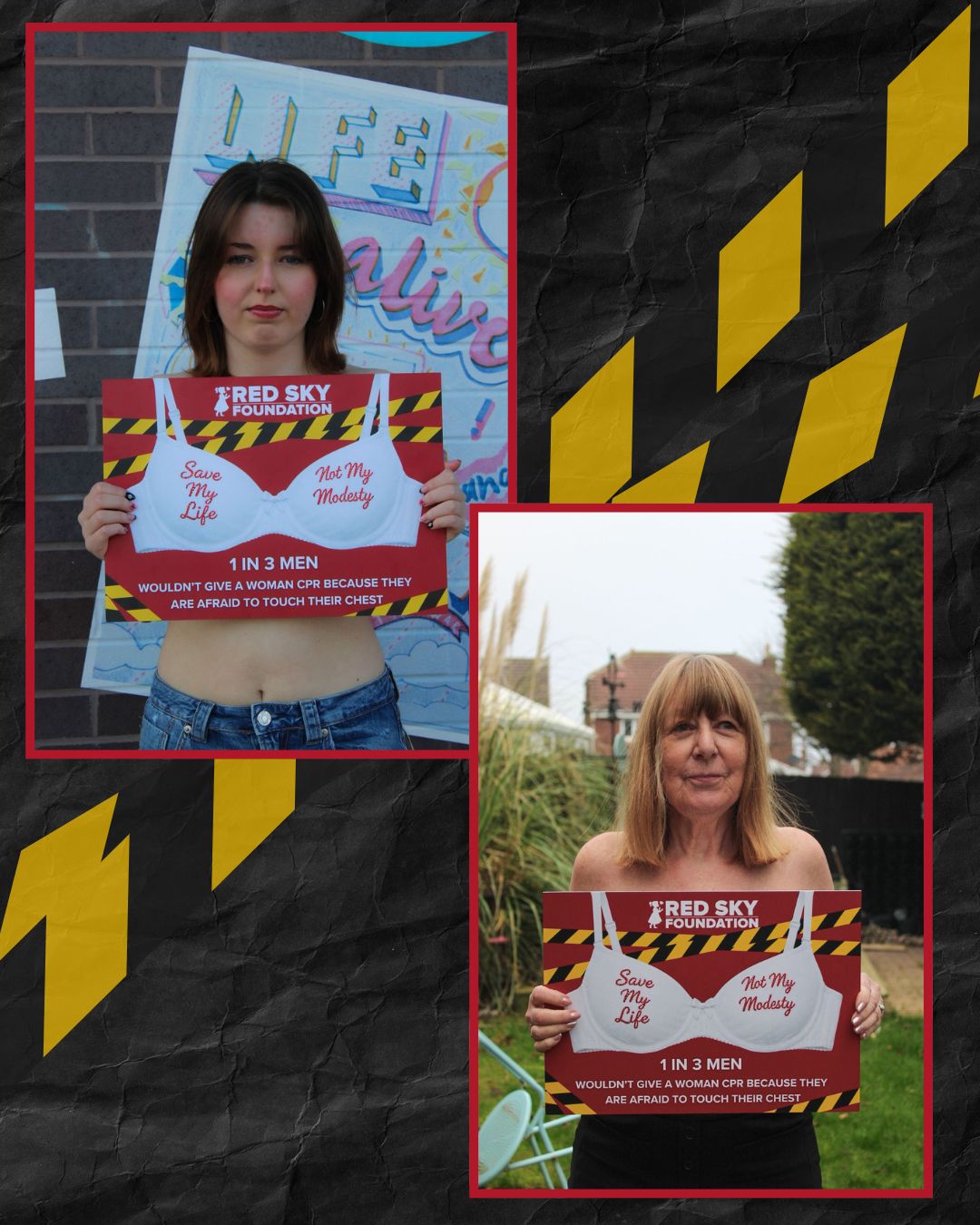
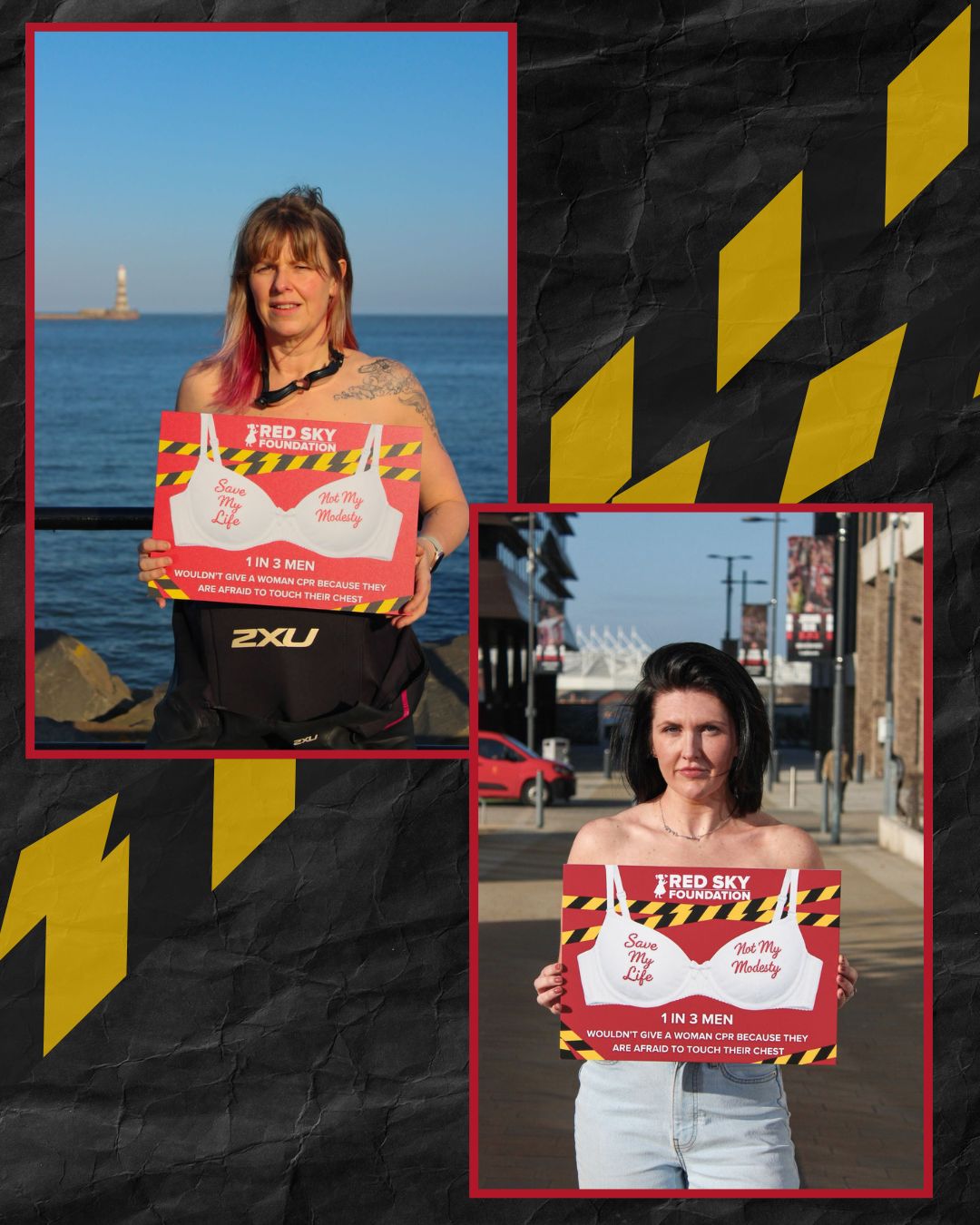
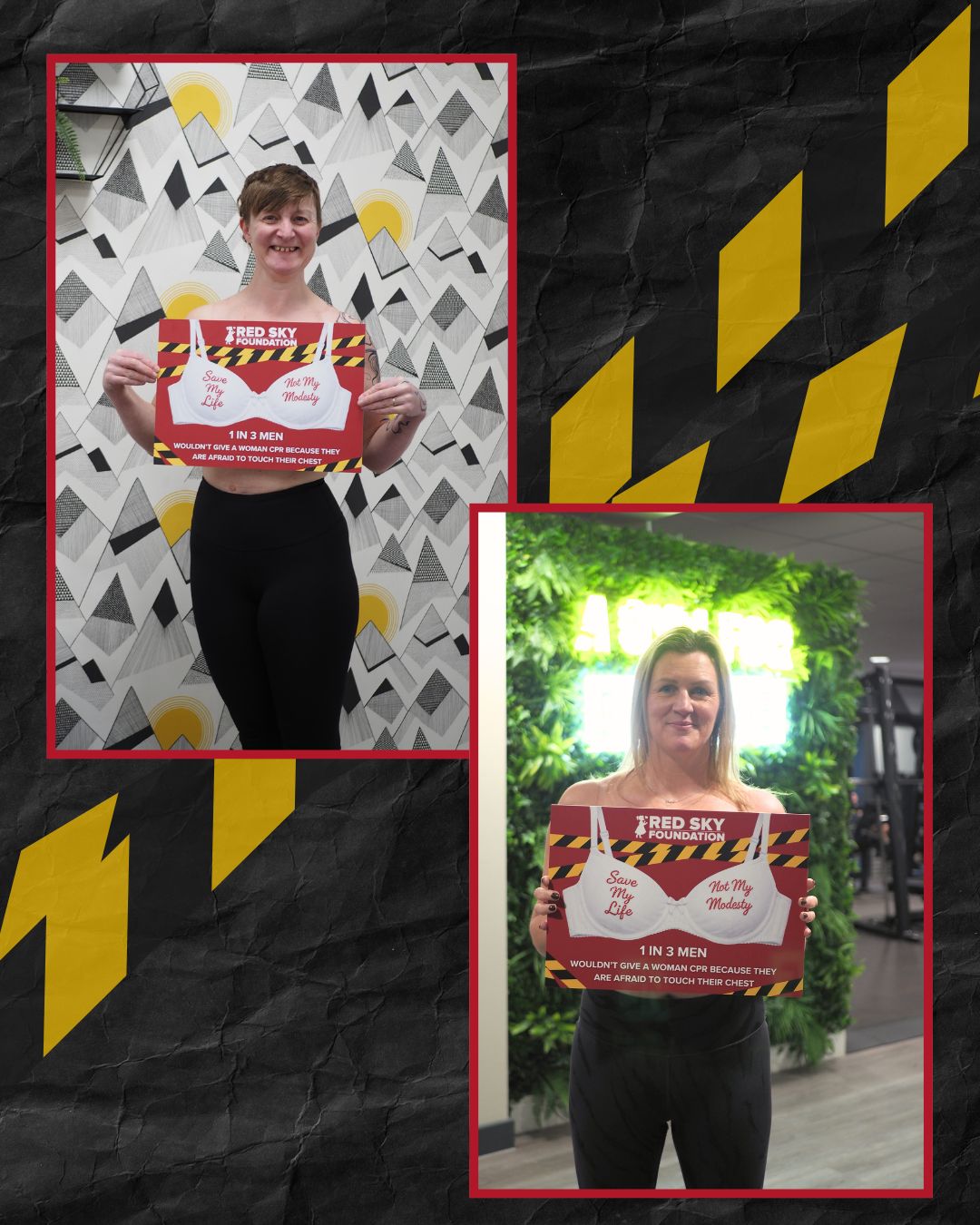
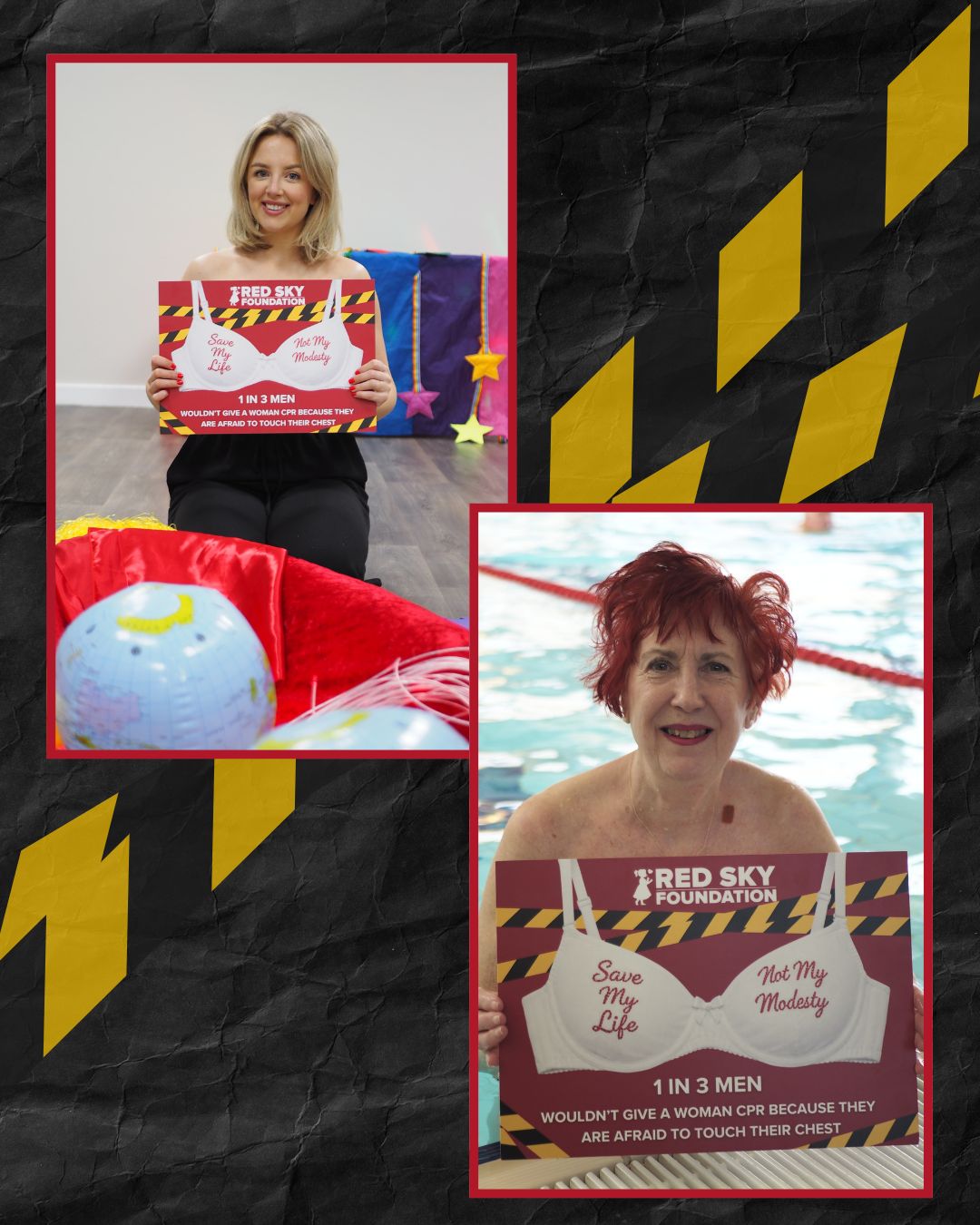
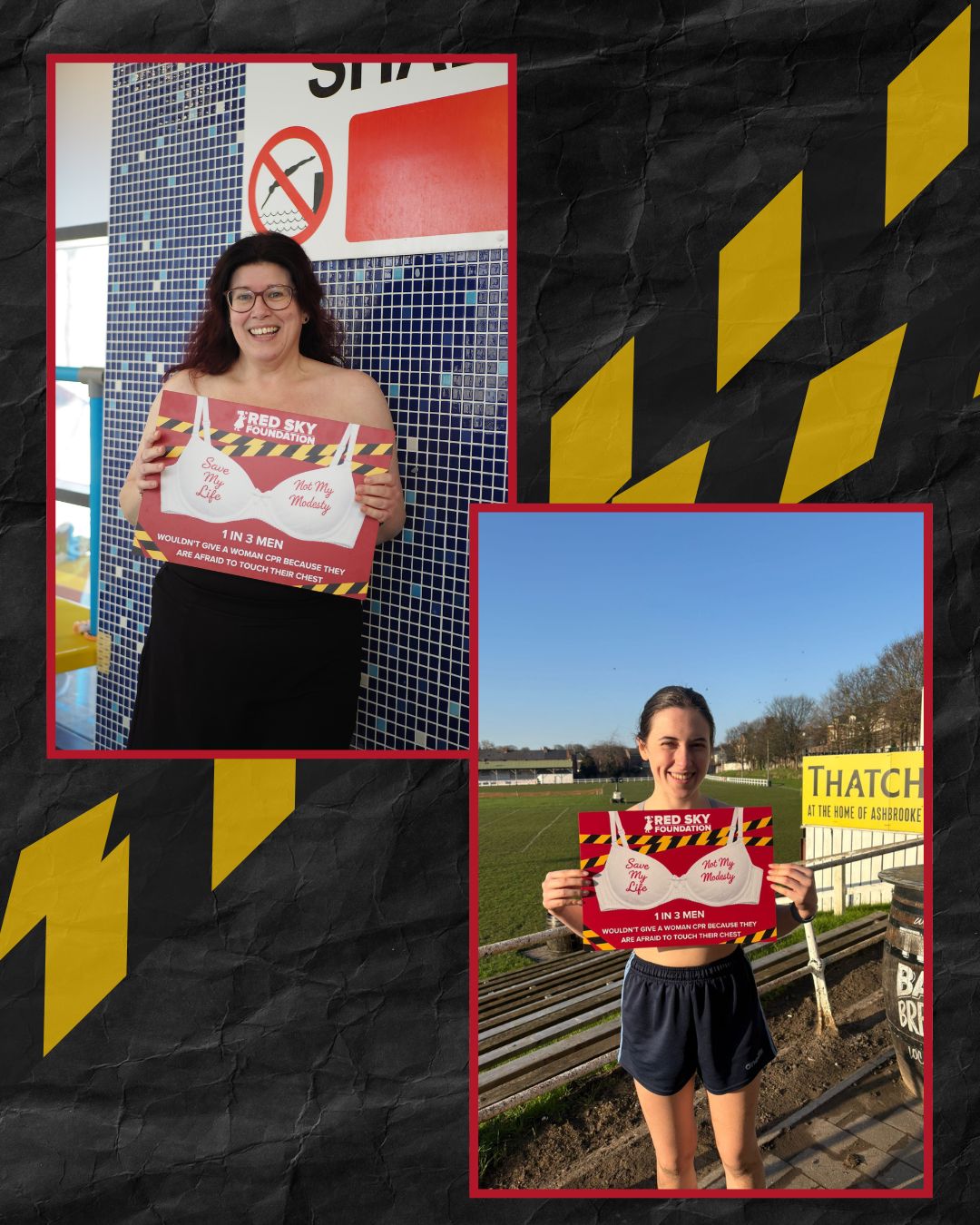
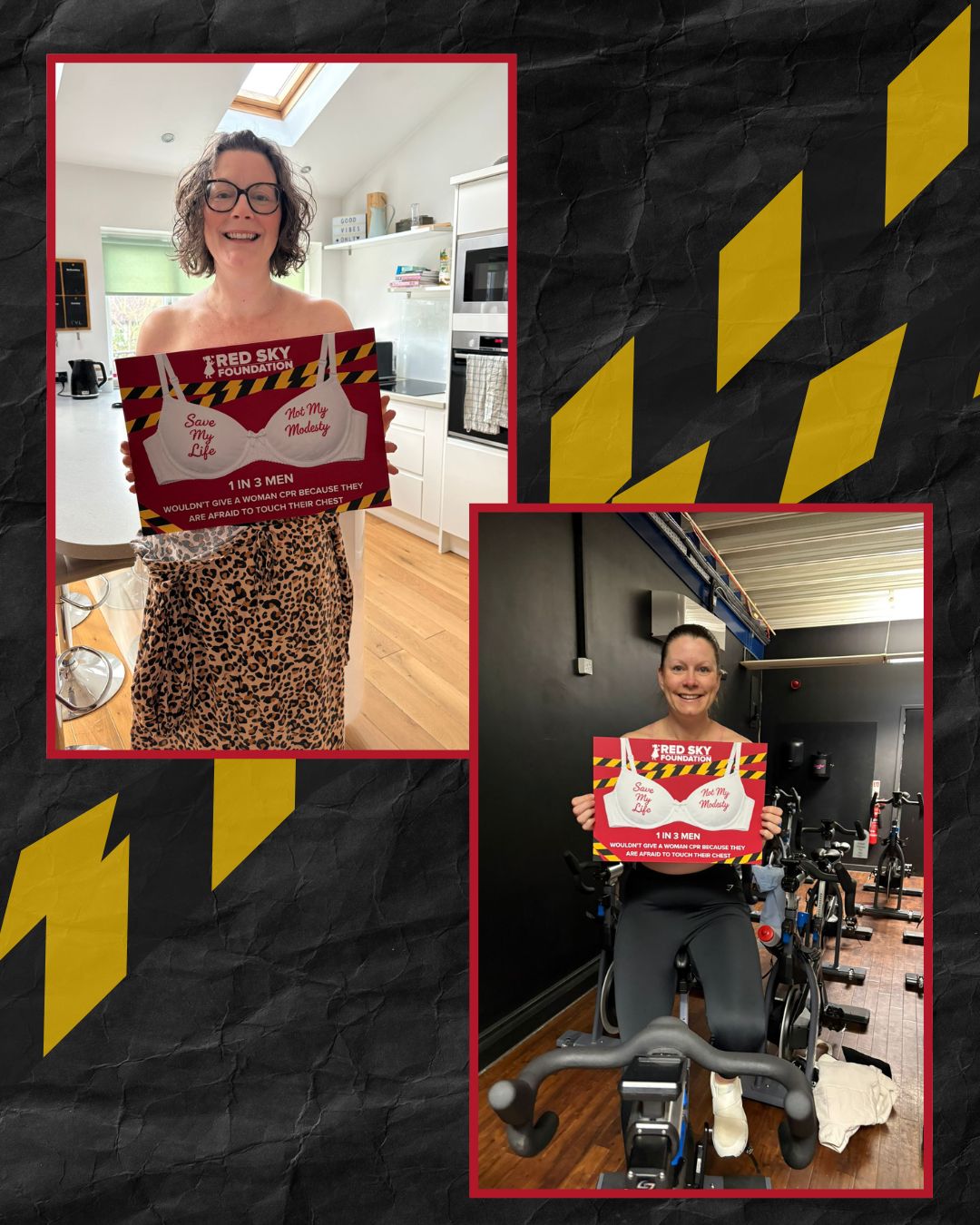
Save My Life, Not My Modesty
Closing the gender gap in heart health and emergency response
This International Women’s Day we are proud to launch Save My Life, Not My Modesty.
We are calling urgent attention to the gender inequalities that continue to cost women their lives during cardiac emergencies. We aim to challenge uncomfortable truths, break down social barriers, and ensure that no woman is denied lifesaving care because of fear, hesitation, or misplaced concern around modesty.

The reality facing women
Heart disease is the number one killer of women in the UK, claiming more than twice as many lives as breast cancer. Yet when a cardiac arrest happens in public, women are less likely to receive help.
Research shows that women who suffer an out of hospital cardiac arrest are less likely to receive bystander CPR than men. This is not due to biology or survival potential. It is due to hesitation.
A UK survey by St John Ambulance revealed:
The reason most often found is fear of inappropriate touching or social repercussions, even though CPR technique is the same regardless of gender.
This hesitation is costing lives. Evidence suggests that more than 8,200 women in England and Wales could have survived heart attacks if they had received the same treatment as men.
Training bias starts early
One of the most overlooked contributors to this problem is CPR training itself.
The vast majority of CPR training mannequins are designed with flat, male presenting torsos. This reinforces unconscious bias and leaves people unprepared to deliver CPR on female bodies.
Studies show that when people train using mannequins with female anatomical features, including breasts:
- Confidence in performing CPR on women almost doubles
- Hesitation is significantly reduced in real life emergencies
When Red Sky Foundation invested in what was expected to be a female form CPR mannequin for training and awareness work, they instead received another flat chested masculine model. This highlighted just how scarce inclusive training equipment still is.
Defibrillators and the hidden risk to women
Public access defibrillators save lives, but only when they are used correctly and without delay.
For an AED to work, pads must be placed directly on bare skin. For women, this can create uncertainty around clothing and bras, particularly those with underwire.
Women are 15 percent less likely to survive defibrillator use than men. This is often due to:
- Hesitation about removing clothing
- Confusion around bra removal
- Fear of doing the wrong thing or causing offence
Underwire bras can interfere with pad placement and may even cause burns if a shock is delivered incorrectly. These risks are rarely discussed openly in public CPR education.